
AC Tune-Up in Lexington, KY
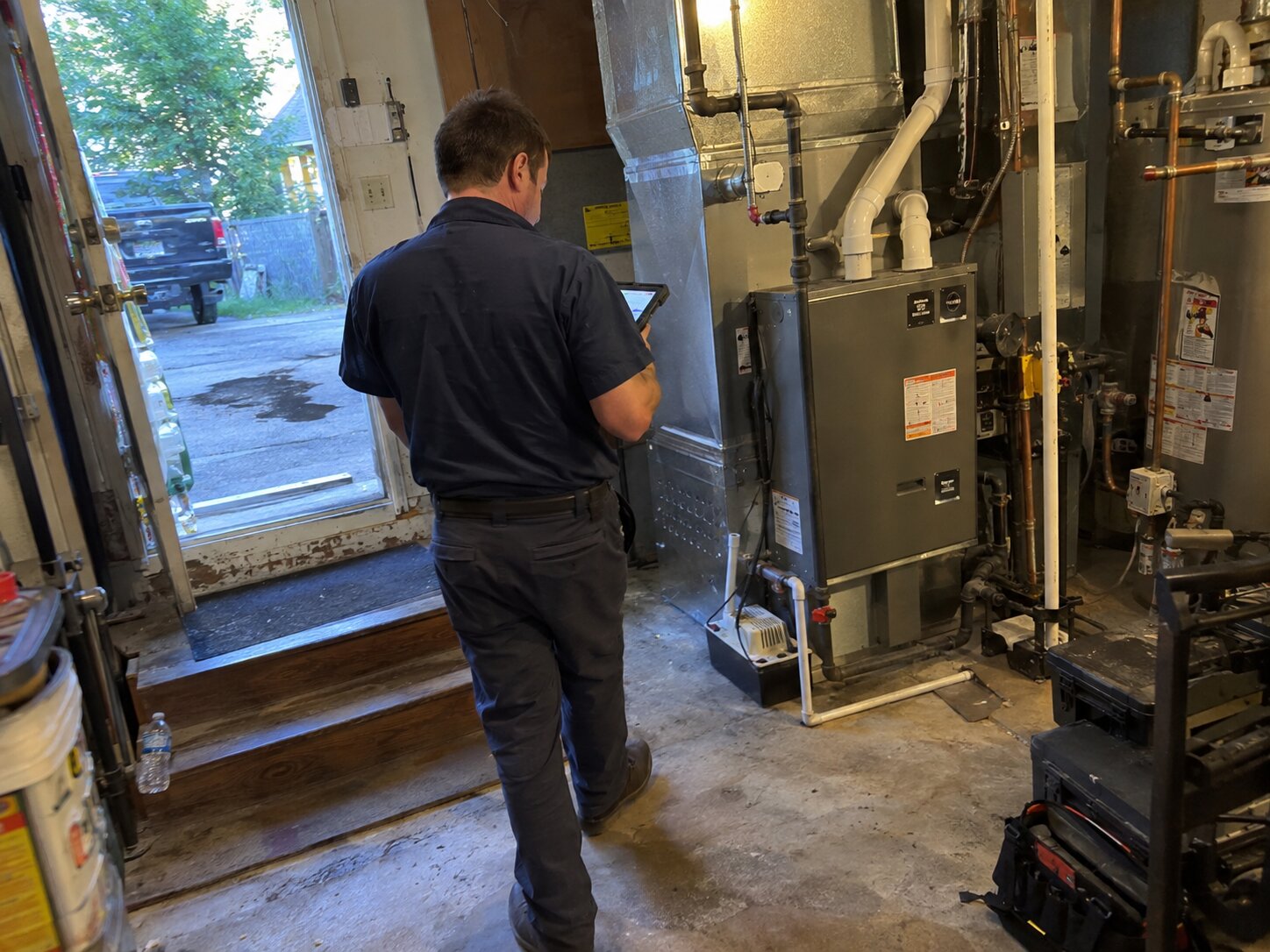
The cheapest air conditioning repair is the one you never need. A seasonal tune-up keeps your system efficient, extends its useful life by years rather than months, protects the manufacturer warranty that depends on documented maintenance, and catches the small failures that strand a Lexington family without cooling during a humid July heat wave. Spring is the right time for this work — while the equipment is still rested from winter, scheduling is open, and you’re not betting your weekend on the AC turning on. Lexington Heating and Air provides thorough multi-point cooling tune-ups across Fayette County, with the kind of attention to humidity-driven buildup that a Bluegrass climate genuinely requires.
Why Spring Tune-Ups Matter in Central Kentucky
A Lexington July is one of the most demanding cooling environments in the country east of the Mississippi. High temperatures combine with sustained humidity, so your air conditioner is not just lowering temperature — it’s continuously condensing moisture out of the air for hours at a stretch. That is a heavy workload, and a system that’s dirty, undercharged, or running on a weakened capacitor will struggle, drive up your electric bill, and is statistically far more likely to fail during the peak demand of a heat wave. A spring tune-up gets ahead of all of that — while the weather is still mild and you’re not depending on the system to get through the day.
Our region’s hard water and humidity add a specific reason to maintain the system: the evaporator coil and condensate drain stay damp through the entire cooling season. Damp surfaces collect dust, and damp dust in a humid climate grows biofilm. Biofilm on a coil acts as thermal insulation that blocks heat transfer; biofilm and mineral scale in a condensate drain clog the line and back water up into the secondary pan, sometimes into ceilings. Cleaning these is a core part of a real Lexington tune-up, not an upsell.
What’s Included in Our AC Tune-Up
A real tune-up is a multi-point service, not a quick walk-around. Our process typically includes:
- Checking refrigerant charge against manufacturer specification, with adjustment to the rated subcooling or superheat as required.
- Measuring superheat and subcooling at the outdoor unit to verify the system is operating in its design envelope.
- Cleaning the outdoor condenser coil — a season’s worth of cottonwood, dust, and grass clippings can drop efficiency dramatically.
- Inspecting and cleaning the indoor evaporator coil where accessible, removing the biofilm humidity encourages.
- Clearing the condensate drain, treating to prevent biological regrowth, and verifying the secondary pan and float switch are operational.
- Testing the run and start capacitors against their rated microfarad values — a weakening capacitor is one of the most common causes of mid-summer no-start calls.
- Inspecting and tightening electrical connections; checking the contactor for pitting or carbon buildup.
- Measuring motor amperage on the compressor and condenser fan against nameplate values.
- Checking static pressure across the air handler and verifying airflow at the supply registers.
- Inspecting the blower wheel and motor, and replacing the air filter or advising on the right one for your system.
- Verifying thermostat operation, calibration, and programming.
[Confirm your exact tune-up checklist and any membership or maintenance-plan pricing before publishing so this list reflects what your technicians actually perform.]
The Real Benefits of Regular Maintenance
- Lower energy bills. A clean, properly charged, well-tuned system uses meaningfully less electricity to deliver the same cooling — particularly noticeable on Lexington summer bills.
- Fewer summer breakdowns. The majority of mid-season emergency calls trace back to issues a spring tune-up would have caught when they were cheap.
- Longer equipment life. Maintained systems routinely outlast neglected ones by three to five years — meaningful money on a $5,000–$8,000 piece of equipment.
- Protected warranty. Many manufacturer warranties can be denied on equipment that hasn’t been properly maintained. Documented annual service is the best protection.
- Better humidity control. A system running at spec dehumidifies more effectively — exactly what a Bluegrass summer demands. A neglected system condenses less, leaving you with cool-but-clammy air.
- Earlier detection of small issues. A weakening capacitor caught in April is a $20 repair; the same component failing in late July is an emergency call with after-hours pricing and a hot, frustrated household.
How Often Should You Tune Up Your AC?
Once a year for a cooling-only system, ideally in spring before Lexington’s humidity arrives. If you have a heat pump that handles both heating and cooling, it works year-round and benefits from service twice a year — a fall heating tune-up and a spring cooling tune-up. Pairing both into a maintenance plan often bundles priority scheduling, repair discounts, and warranty protection into one annual visit cadence.
What Happens If You Skip a Year (or Three)
Equipment doesn’t always fail dramatically. More often, a neglected system becomes incrementally less efficient, year by year, until a hot July afternoon arrives and the accumulated problems — weakened capacitor, dirty coil, slightly low refrigerant from a tiny leak, restricted condensate drain — all surface simultaneously as a no-cool. The repair bill from that single moment usually exceeds what several years of tune-ups would have cost. We see the pattern every summer.
Frequently Asked Questions
- When is the best time to get an AC tune-up?
- Spring is ideal — before Lexington’s humid summer arrives and the system faces its hardest work. A spring tune-up restores efficiency and catches problems while the weather is still mild, scheduling is open, and you’re not depending on the AC to get through a heat wave. April and May are the sweet spot.
- What does a real AC tune-up actually include?
- A thorough tune-up checks refrigerant charge against spec, measures superheat and subcooling, cleans the condenser and evaporator coils, clears and treats the condensate drain, tests the capacitors against rated microfarad values, inspects and tightens electrical connections, checks motor amperage and airflow, and verifies thermostat operation. It’s a multi-point service that typically takes an hour or more, not a quick glance.
- Will a tune-up really lower my energy bill?
- It can, and often does. A dirty condenser coil, low refrigerant charge, restricted airflow, or a weak capacitor all force the system to run longer and draw more power for the same cooling. Restoring the system to specification improves efficiency, which shows up on summer electric bills, and helps the system control humidity better at the same time.
- Can skipping maintenance void my warranty?
- Yes, manufacturers can and do deny warranty claims on equipment that hasn’t been documented as properly maintained. The exact requirements vary by manufacturer, but professional annual service with records you can produce is the single best way to protect both your labor and manufacturer warranty coverage.
- Do you offer a maintenance plan?
- [Confirm your maintenance plan details before publishing — what’s included, visit frequency, priority scheduling benefits, and pricing. Many Lexington homeowners prefer a plan because it bundles the spring AC tune-up with a fall heating tune-up, often includes repair discounts, and removes the “did I schedule that?” question from the calendar.]
Schedule a Spring Tune-Up
April and May fill up fast for tune-up scheduling. The window between mild spring weather and the first humid heat advisory closes faster than most homeowners expect — call to claim a spot before the schedule is at capacity.
- Phone: (859) 215-5241
- Address: 343 Cassidy Ave, Lexington, KY 40502
- Email: [add business email before publishing]