
Emergency HVAC in Wilmore, KY
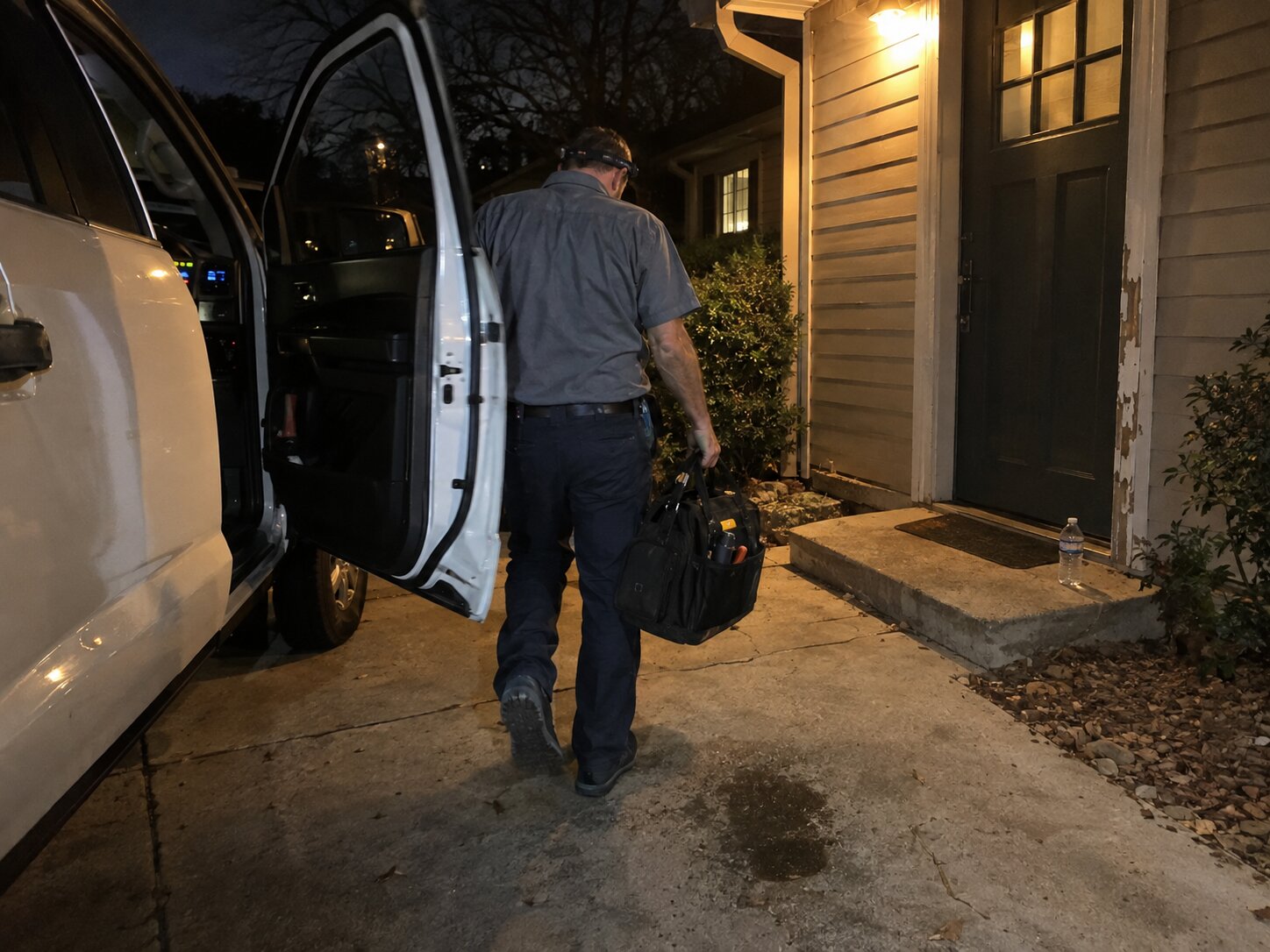
Emergency HVAC dispatch to Wilmore involves a longer drive than most of our service area. The 18-mile run south on U.S. 68 from our Cassidy Avenue base typically takes 30–40 minutes depending on traffic and time of day, which we factor into honest scheduling rather than promising arrivals we can’t actually deliver. On a busy night during peak winter or summer demand, realistic response time might be 75–120 minutes from call to arrival, not 30. We’d rather tell you that upfront than promise faster and disappoint, and we’d rather you call Lexington-area contractors with closer dispatch if your situation needs a 30-minute response. For situations where Wilmore’s the right place for us to handle the emergency call — existing customer relationships, complex equipment we already know, landlord portfolios we already serve — we dispatch with the diagnostic discipline and parts inventory the work requires. Lexington Heating and Air provides emergency HVAC service across Wilmore with honest timing and the same equipment range we bring everywhere else.
Winter Emergencies (Heating)
- No heat with sustained outdoor temperatures below freezing. Indoor temperatures dropping rapidly. Particularly time-sensitive with infants, elderly residents, anyone with health conditions, or pets that can’t leave.
- Pipe-freeze risk. Once a Wilmore home drops below about 55°F sustained, plumbing in exterior walls and crawl spaces approaches freeze territory. A burst pipe is a far more expensive emergency than a furnace repair.
- Smell of gas. Leave the building. Call 911 or the gas utility. Call us once safely outside.
- CO detector alarming. Leave the building immediately. Call emergency services. We follow up with combustion testing and source identification.
- Yellow flame, soot, or sustained unusual noise on a gas furnace — signs of combustion problems requiring immediate attention.
- Visible water from a high-efficiency furnace indicating condensate-system failure.
Summer Emergencies (Cooling)
- No cooling during a heat advisory or sustained heat index above 100°F. Public health emergency for elderly residents, infants, those with chronic conditions, and homes without alternative cooling.
- System running but not cooling with rising indoor temperatures. Often frozen evaporator coil, refrigerant leak, or compressor failure.
- Repeatedly tripping breaker on the outdoor unit — almost always a real electrical or compressor problem.
- Visible water around the indoor unit from condensate drain failure that can damage flooring and ceilings.
- Burning smell from air handler or condenser — an electrical issue requiring diagnosis.
Year-Round Emergencies
- Electrical fire indicators — smoke, burning insulation smell, visible damage, repeatedly tripping breaker.
- Storm or impact damage — tree on the outdoor unit, ice or hail damage, flooding affecting equipment.
- Active refrigerant leak with visible oil spotting, especially relevant on the newer A2L refrigerants now standard on 2025+ equipment.
What’s Not Usually an Emergency
We’ll be honest if your situation can wait. Some calls don’t justify after-hours rates:
- Mild-weather no-heat or no-cool with no vulnerable household members.
- Thermostat issues (often fixable: dead batteries, tripped breaker on furnace circuit).
- Frozen coil on a system that’s actually running — turn the system off, let the coil thaw, address the filter or airflow issue.
- Uneven heating or cooling in one room when the system overall is functional.
- Slight efficiency loss or rising bills.
If you call and your situation falls into one of these categories, we’ll tell you straight, offer next-available scheduling at standard rates, and skip the inflated dispatch fee.
Honest About the Distance
Wilmore is our farthest service-area community on the cardinal directions, and we want to be honest about what that means for emergency response. We can dispatch from Lexington, but the drive is real and the timing depends on conditions. For genuinely time-critical situations where every minute matters — active gas leak, CO alarm with people still inside, electrical fire indicators — please call emergency services first, and call us second. For no-heat or no-cool situations where the safety risk is real but not immediate, we’ll give you realistic timing and dispatch as fast as we can while being clear about when to expect us. For situations that can wait until morning, we’ll tell you that too, so you don’t pay an after-hours premium that doesn’t reflect the actual emergency level.
Academic Calendar Rental Property Considerations
Specific to landlords with rental properties serving the Asbury University and Asbury Theological Seminary academic community: emergency response priority matters most during occupied semester periods when failures create both tenant comfort issues and lease-obligation pressure. We work with rental property landlords on response priority protocols, tenant authorization protocols, and the documentation that protects both parties. Pre-semester systems checks in August and January catch problems before they become emergency calls during occupied periods.
Parts on the Truck
We stock the parts that fix the most common central Kentucky failures as standard truck inventory: flame sensors, hot surface igniters, run and start capacitors, contactors, transformers, pressure switches, basic control components, fan motors in common sizes, thermostats, condensate pumps, and refrigerant for R-410A and R-454B. Less common parts require a parts run or next-day delivery.
Frequently Asked Questions
- Do you offer 24/7 emergency HVAC in Wilmore?
- Contact our office at (859) 215-5241 for current emergency and after-hours service availability. A no-heat call on a sustained-cold winter night or a no-cool call during dangerous summer heat is genuinely time-sensitive.
- Is my situation a real emergency?
- Generally yes if any of the following: no heat with sustained outdoor temperatures below freezing; no cooling during a heat advisory; smell of gas; CO detector alarming; smoke, burning smell, or visible electrical damage; storm or impact damage. Generally no if weather is mild and household members are not vulnerable. Call us; we’ll tell you straight which category yours falls in.
- How fast can you respond in Wilmore?
- The 18-mile run south from Lexington along U.S. 68 typically adds 30-40 minutes to response time. On a busy night during peak demand, realistic response time might be 75-120 minutes from call to arrival. We’d rather tell you that upfront than promise faster and disappoint. Genuine safety emergencies (gas, CO, electrical fire indicators) require calling emergency services first.
- I’m a landlord with rental property near Asbury — how does emergency response work?
- For landlords on maintenance programs with us, emergency response priority is elevated and documentation is streamlined. We can dispatch in response to a tenant call with appropriate authorization, with billing handled to the landlord’s account. The academic calendar rhythm in Wilmore means pre-semester systems checks catch many problems before they become emergency calls.
- Should I keep using my system until you arrive?
- For most no-heat or no-cool situations, yes. For gas smell, CO detector alarms, visible smoke or fire signs, or active water damage, no: shut the system off at the breaker, leave the building if gas or CO is involved, and call emergency services first.
Call When the Situation Warrants It
If the weather is bad and the system has quit in Wilmore, we’ll triage on the phone — tell you whether it’s a real emergency, whether you can safely wait until first-available, and whether the 18-mile run south makes us the right call or whether a closer-dispatch contractor would serve you better. For active gas leaks, CO alarms with occupants inside, or electrical fire indicators, call emergency services first.
- Phone: (859) 215-5241
- Address: 343 Cassidy Ave, Lexington, KY 40502
- Email: [add business email before publishing]