
Our Process
Most HVAC frustration traces back to one missing thing: the customer cannot see what the technician sees. The condenser is humming, the screen reads “service required,” the contractor is talking about a compressor — and you’re left deciding whether to spend $4,200 on faith. Lexington Heating and Air built a process to close that gap. From the first phone call to the final walkthrough, every step is designed to show you the actual data, explain the options in language that doesn’t require an HVAC license to follow, and let you decide. Here is exactly what to expect when you work with us across Lexington and Fayette County.
Step 1: The First Call
When you reach (859) 215-5241, we don’t book a blind appointment. We ask what the system is doing or not doing, how old it is roughly, whether anyone has worked on it recently, and what part of Fayette County you’re in — an emergency no-heat call in Ashland Park at 11°F gets a different response than a planned heat pump consultation in Hamburg in October. That intake decides which technician comes, what parts ride in the truck, and how realistic the arrival window can be.
Step 2: Diagnose Before You Quote
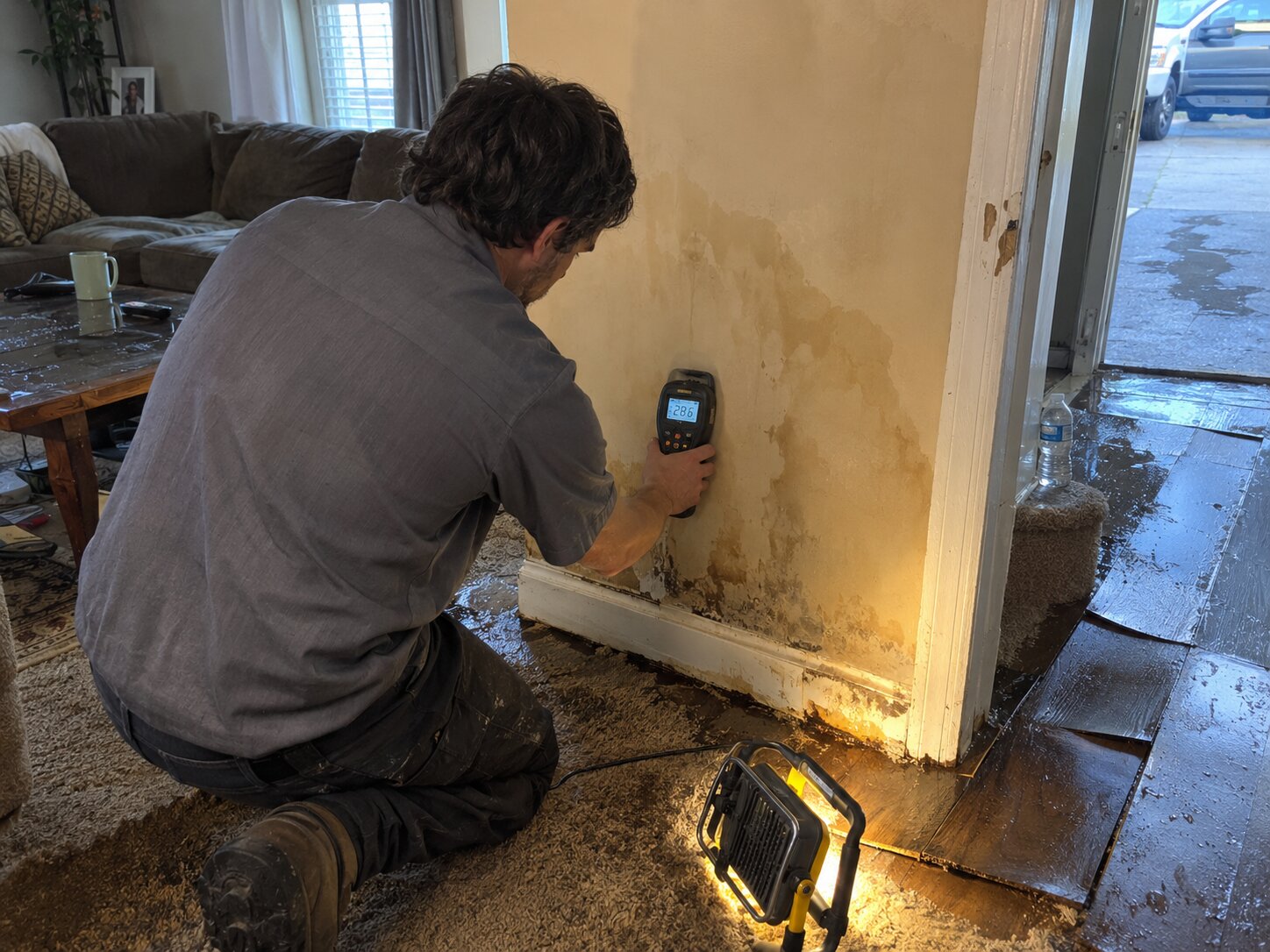
This is the step that defines the company. We measure first, opinion second.
On a furnace, that means combustion analysis (CO, O₂, flue temperature, stack efficiency), manifold pressure against the spec stamped on the rating plate, draft pressure, gas valve and pressure switch operation, and inducer amperage compared to nameplate. On a cooling system, it means superheat and subcooling at the outdoor unit, static pressure across the air handler, refrigerant pressures correlated to outdoor temperature, capacitor microfarads against the rated value, and motor amperage measured at the contactor.
A run capacitor reading 28 microfarads on a 35-rated label is a fourteen-dollar repair. The same symptom — humming condenser, no start — with the compressor pulling locked-rotor amperage points to something many times more expensive. Most outfits quote the larger number for both because guessing high is safer for them than guessing low. We read the meter, show you what the meter says, and quote the actual failure.
Step 3: Itemized Pricing, in Daylight
Every estimate breaks the cost into its real parts: equipment by make and model, labor hours, permit fees through LFUCG where required, refrigerant by weight, plus any necessary electrical, venting, condensate, or duct modifications listed separately. There is no “system replacement package” number that hides where the margin lives. There is no verbal-only estimate that drifts upward by the time the invoice arrives. There is no same-day-only pricing that pressures you to sign before you’ve read it.
If we recommend replacement over repair, you see the cost comparison: the repair total, the replacement total, the projected operating cost difference over a realistic ownership window, and any rebate or Section 25C tax credit eligibility. You make the call.
Step 4: Right-Size the System (For Installations)
If you’re replacing equipment, the most important hour of the project happens before any tool comes out of the truck. New installation quotes start with three industry-standard calculations, in order:
- Manual J — the room-by-room load calculation that determines actual heating and cooling demand based on square footage, ceiling height, window count and type, insulation level, orientation, and air sealing.
- Manual S — matching the equipment selection to that calculated load, weighted for the latent (humidity) capacity Lexington’s Climate Zone 4A demands.
- Manual D — duct verification when existing ductwork is staying, because the best equipment in the world struggles when the ducts can’t move its air.
This matters more in central Kentucky than the industry generally admits. A 1926 brick home in Chevy Chase with original windows, plaster walls, and minimal insulation can carry double the heating load of a 2022 build in Andover of the same square footage. Rule-of-thumb tonnage gets one of those two wrong every time — usually both. And because Bluegrass summers run humid, oversizing in cooling means the unit short-cycles, satisfies the thermostat fast, and leaves you with 72°F clammy air. Right-sizing is the single biggest factor in whether you’ll be comfortable for the next fifteen years.
Step 5: Clean, Code-Compliant Installation
Our technicians treat your home the way they treat their own: drop cloths from the door to the mechanical space, shoe covers, and a clean job site at the end of each day. We pull permits through the Lexington-Fayette Urban County Government Division of Building Inspection where required — not because we love paperwork, but because unpermitted HVAC work can void your homeowner’s insurance and become a disclosure problem at sale that costs more to fix later than the permit cost in the first place. Refrigerant is handled under EPA Section 608 standards. Gas connections are leak-tested. Electrical work is verified to manufacturer specifications, not assumed.
Step 6: Test, Verify, Walk Through
Before we leave, we confirm the system performs to specification — not just that it turns on. We verify supply and return temperatures, refrigerant charge against the new equipment’s specs (not the old), airflow at the registers, combustion readings on heating equipment, and thermostat operation. Then we walk through it with you: how to operate it, what maintenance it needs, what to expect for the first week, and what to call about. You should never be left guessing about the equipment running in your own home.
Step 7: Ongoing Support
The relationship doesn’t end when the van pulls away. We’re a Lexington company, not a distant chain, so we’re here for seasonal tune-ups, future questions, and any follow-up. [If you offer a maintenance plan, mention it here and link to it. Ongoing maintenance is where right-sized, well-installed equipment earns back its value — and where warranty protection is preserved.]
Why This Process Matters
- You stay in control. Seeing the diagnosis and the itemized quote means you decide with full information, not a high-pressure verdict.
- Repairable systems get repaired. We’d rather earn the next call than win one oversized sale this week.
- Comfort that lasts. Right-sized and cleanly installed equipment runs efficiently for its full lifespan.
- Protected investment. Permitted, code-compliant work safeguards your home’s insurance, resale value, and manufacturer warranty.
Frequently Asked Questions
- Why do you diagnose before giving a price?
- Because identical symptoms have very different causes and very different costs. A condenser that hums and won’t start could be a fourteen-dollar capacitor or a failed compressor that costs hundreds of times more. Guessing high leads to wrong quotes and unnecessary part replacement — on your dime. We measure first so the quote reflects the actual problem.
- What is a Manual J load calculation, and why does it matter?
- Manual J is the industry-standard method for calculating a home’s actual heating and cooling load based on size, insulation, windows, orientation, and air sealing — not a rule of thumb from square footage. In central Kentucky’s humid Climate Zone 4A, correct sizing is critical: oversized cooling short-cycles and leaves the house cool but damp, while right-sized equipment runs efficient cycles that actually dehumidify.
- Do you pull permits for installations?
- Yes, where required. We pull permits through the Lexington-Fayette Urban County Government Division of Building Inspection and install to current Kentucky mechanical code. This protects you — unpermitted HVAC work can void homeowner’s insurance and create disclosure problems when you sell your home, which often costs far more to resolve later than the permit fee at the time.
- Will you pressure me to replace instead of repair?
- No. If a system can be safely and economically repaired, we say so. When we do recommend replacement, you see the actual cost comparison — repair total, replacement total, projected operating cost difference, and any applicable rebates or federal tax credit eligibility — so you make the decision with full information. There is no same-day pressure to sign.
- What happens after the installation is done?
- We test the system to specification — supply and return temperatures, refrigerant charge, airflow, combustion readings on heating equipment — then walk you through operation, expected behavior, and required maintenance. After that, we remain available as your local Lexington HVAC company for tune-ups, questions, and warranty support.
Experience the Lexington Heating and Air Process
From the first phone call through the final walkthrough, every step on this page is what actually happens on every job — no upsell pressure, no opaque pricing, no guesswork. Call to schedule an assessment or repair across Lexington and Fayette County.
- Phone: (859) 215-5241
- Address: 343 Cassidy Ave, Lexington, KY 40502
- Email: [add business email before publishing]