
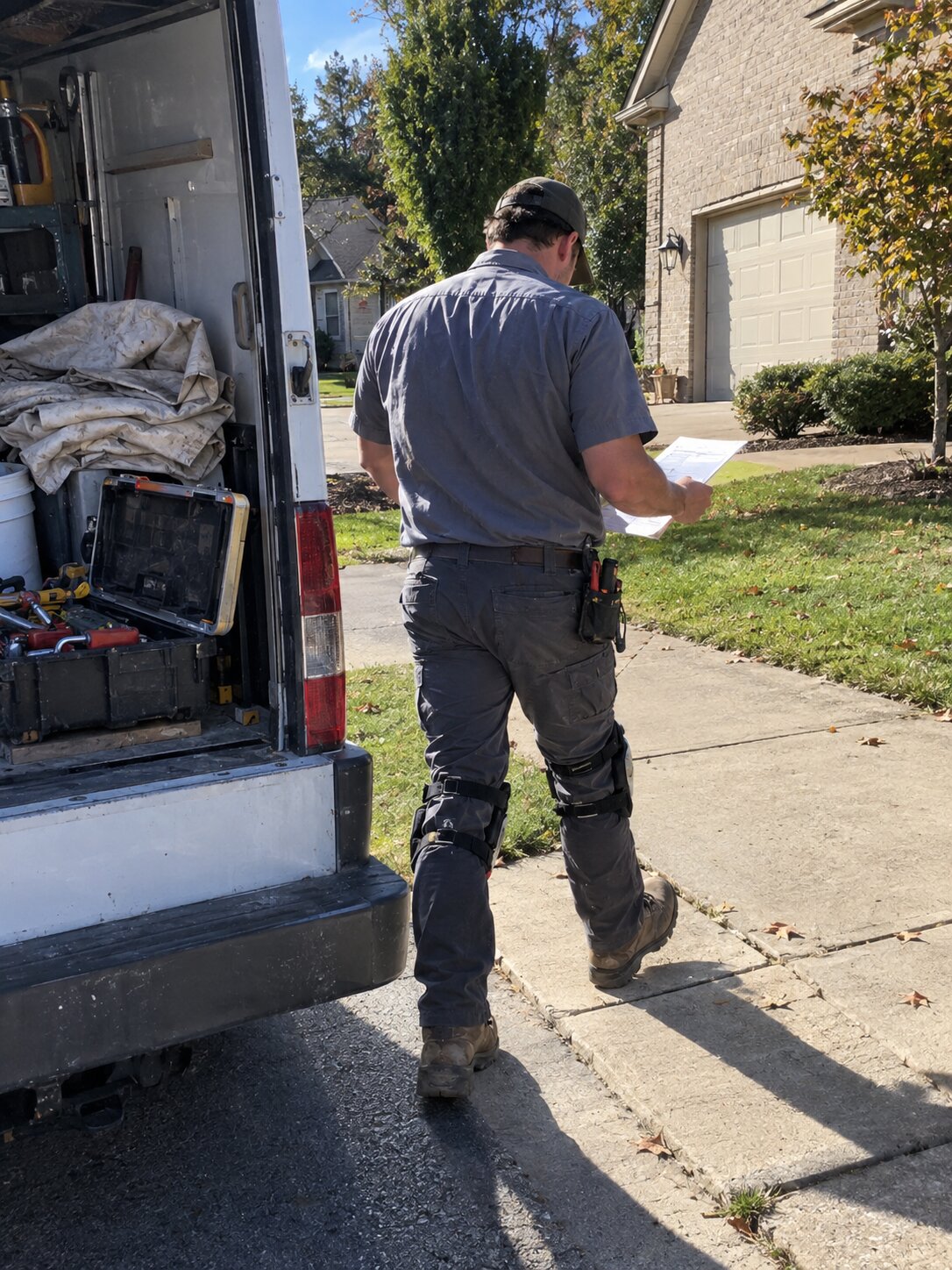
HVAC Service Across Lexington’s Neighborhoods
A 1920s four-square in Ashland Park and a 2015-built home in Hamburg have almost nothing in common from an HVAC standpoint — different ductwork, different equipment ages, different venting realities, different comfort problems. The neighborhood your home sits in says a lot about what its heating and cooling system is likely to need, which is why we organize our local knowledge by area. Whether you’re in a historic home near downtown, an established mid-century subdivision, or one of the newer developments out east and southwest, the pages below get specific about the housing stock, the common systems, and the issues we see most in each Lexington neighborhood.
All of these neighborhoods sit in Fayette County, in central Kentucky’s Climate Zone 4A — humid summers, real winters, hard Bluegrass water, and a long heating season — the shared backdrop that shapes HVAC across the city. What changes from neighborhood to neighborhood is the housing: when it was built, how it was built, and what that means for the system keeping it comfortable.
Historic & Established Neighborhoods Near Downtown
These older neighborhoods feature character homes — many from the early-to-mid 20th century — where retrofitted ductwork, heritage venting, and humidity control are the recurring themes.
- Ashland Park — one of Lexington’s signature historic neighborhoods of established homes near downtown.
- Chevy Chase — a beloved older neighborhood blending character homes with a walkable commercial district.
- Kenwick — an early-20th-century neighborhood of classic homes east of downtown.
- Lansdowne — an established mid-century neighborhood in the city’s south-central area.
- Brookhaven-Lansdowne — an established residential area in the Lansdowne vicinity.
- Hollywood — an established neighborhood of older homes near the city’s central corridors.
Established South & Southeast Neighborhoods
Mid-century and later subdivisions where equipment ages, comfort balance in two-story homes, and replacement-cycle decisions are common.
- Tates Creek — a large established area along the Tates Creek corridor in southeast Lexington.
- Southland — an established neighborhood near the Southland Drive area.
- Gardenside — a classic mid-century neighborhood on the city’s west side.
- Shadeland — an established residential area in southeast Lexington.
Newer Growth Neighborhoods (East, Southeast & Southwest)
Newer subdivisions where builder-grade equipment reaching end of life, right-sizing, humidity control, and high-efficiency upgrades come up most.
- Hamburg — a major newer growth area on the east side, with extensive recent residential development.
- Andover — an established-to-newer area in east Lexington centered on the Andover developments.
- Beaumont — a large newer master-planned area in southwest Lexington.
- Firebrook — a newer residential neighborhood in the southwest part of the city.
- Palomar — a newer southwest-area neighborhood off the Harrodsburg Road corridor.
- Greenbrier — an established-to-newer residential neighborhood.
- Dogwood Trace — a newer residential subdivision in the city’s growth areas.
- Summerfield — a newer residential subdivision in the city’s growth areas.
Northwest Lexington
- Masterson Station — a large residential area in northwest Lexington near Masterson Station Park.
Why Neighborhood Matters for HVAC
It’s not just geography. The era a neighborhood was built in tends to determine the HVAC realities inside its homes. Historic neighborhoods near downtown often have homes with retrofitted or undersized ductwork, heritage venting, boiler or radiator heat, and humidity challenges — where solutions like ductless mini-splits, high-velocity systems, or careful duct work matter. Mid-century established neighborhoods commonly have systems hitting replacement age and two-story comfort imbalances. Newer growth neighborhoods frequently have builder-grade equipment reaching end of life, often oversized, where right-sizing and high-efficiency upgrades pay off. Knowing your neighborhood helps us show up with the right expectations — though every home is individual, and we always assess yours specifically.
Frequently Asked Questions
- Do you serve my Lexington neighborhood if it’s not listed?
- Yes. We serve all of Lexington and Fayette County. These pages cover many of the city’s neighborhoods in detail, but if you don’t see yours, we still service it — just get in touch and we’ll help.
- Why does my neighborhood affect what HVAC I need?
- Because the era and style a neighborhood was built in shapes the homes’ ductwork, venting, equipment, and common comfort issues. Historic homes near downtown have different needs than newer subdivisions out east or southwest. It’s a useful starting point, though we always assess your specific home.
- Is your pricing different by neighborhood?
- No. Pricing depends on the work, the equipment, and the scope of your specific project, not on which neighborhood you live in. We provide itemized estimates after assessing your home, with diagnostic charges quoted upfront.
- Do older Lexington homes need special HVAC approaches?
- Often. Historic homes may have retrofitted or undersized ductwork, heritage venting, or boiler heat, which can point toward ductless mini-splits, high-velocity systems, or careful duct improvements rather than a standard swap. We tailor the approach to the house.
- How do I get started?
- Find your neighborhood above for details specific to your area, or just call us. We’ll assess your home, explain the options honestly, and provide an itemized estimate.
Schedule HVAC Service in Your Lexington Neighborhood
Find your neighborhood above, or get in touch and we’ll help with heating and cooling anywhere in Lexington and Fayette County.
- Phone: (859) 215-5241
- Address: 343 Cassidy Ave, Lexington, KY 40502